
The short answer: the ingredient with the most clinical evidence behind it is bimatoprost 0.03% (sold as Latisse), which is the only FDA-approved treatment for eyelash growth and has multiple randomized controlled trials showing it makes lashes measurably longer, thicker, and darker. After that, several cosmetic serums use prostaglandin analogues like isopropyl cloprostenate, which appear to work through a similar mechanism but come with their own risk profile and no FDA-backed safety review for cosmetic use. If you want results, you need to understand what you're choosing between, use the serum correctly, and have realistic expectations about timelines. Here's everything you need to make a smart call.
Best Eyelash Serum to Grow Lashes: Ingredients, Timeline
Rachel Nguyen
24 Mar 2026
How lash growth works (and why serums can actually help)
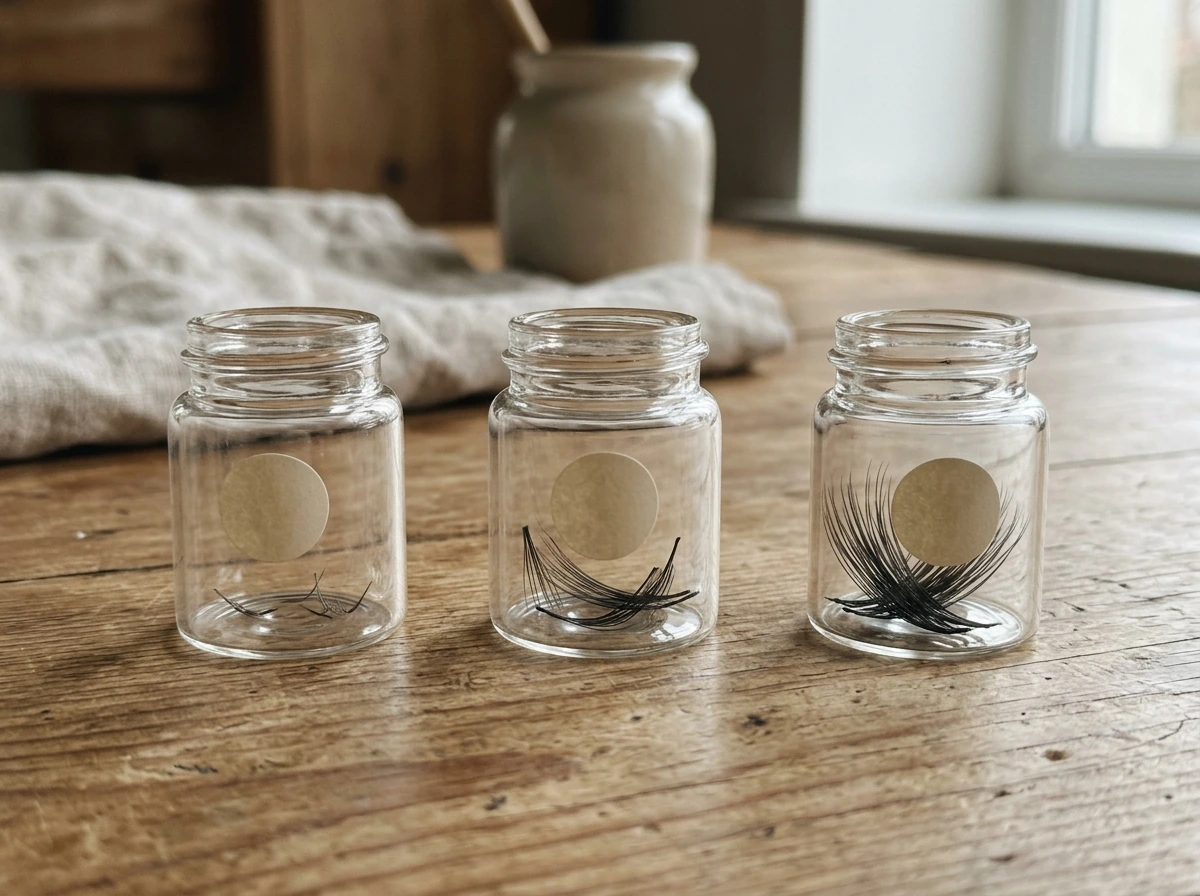
Eyelashes grow through the same three-phase hair cycle as scalp hair, but on a much shorter schedule. The anagen phase (active growth) lasts roughly 30 to 45 days for lashes, compared to years for scalp hair. That's why your lashes stay short. After anagen, lashes enter a catagen transition phase lasting about 15 days, during which the follicle shrinks and the hair becomes a club hair. Then comes telogen, a resting phase, before the follicle is reactivated and the cycle begins again. The full replacement cycle for an eyelash is typically 4 to 8 weeks.
The reason serums can influence this process comes down to hair-cycle signaling. The shift from telogen back into anagen, which is what kicks off a new round of growth, is controlled by stem cells in the follicle and a network of growth signals including pathways like Wnt, FGF, Hedgehog, IGF-1, and VEGF. Prostaglandin analogues (the active class in most effective lash serums) appear to extend the anagen phase, meaning lashes stay in active growth longer and reach greater length before shedding. This isn't a cosmetic trick; it's a physiological mechanism with animal and human clinical data backing it up.
Can eyelash serum really make lashes grow? Realistic expectations
Yes, but with clear limits. In a US phase 3 randomized controlled trial with 278 participants, Latisse users showed significantly longer lashes compared to vehicle controls starting at week 4, with full prominence assessments measured through week 16. A separate trial in chemotherapy patients showed statistically significant improvements in lash length (p=0.008 at month 4), thickness (p<0.001), and darkness (p=0.029) compared to a placebo group. These are real, measurable results, not marketing language.
The catch is durability. Once you stop using bimatoprost, lashes gradually return to their previous state. Growth occurs only while you're using the product. That's an important distinction: serums don't permanently reprogram your follicles. They work as long as you use them consistently, which means this is an ongoing routine, not a one-time fix.
For cosmetic serums (not prescription), expect slower or more modest results. If a product contains isopropyl cloprostenate or another prostaglandin analogue, there's mechanistic reason to think it can help, but the evidence base is thinner than for bimatoprost. Products marketed with only peptides, biotin, and conditioning agents are primarily lash conditioners. They can reduce breakage and make existing lashes look better, but they don't have strong clinical support for actually lengthening lashes the way prostaglandin analogues do. Worth knowing before you spend money on one.
What to look for in a lash serum (and what to skip)
Ingredients that have real evidence
- Bimatoprost 0.03%: The gold standard. FDA-approved for lash growth (as Latisse), backed by multiple RCTs. Requires a prescription in the US.
- Isopropyl cloprostenate: A prostaglandin analogue used in cosmetic serums like GrandeLASH-MD and RevitaLash Advanced. Works through a similar mechanism to bimatoprost but is not FDA-reviewed for this use. Carries similar risk considerations.
- Latanoprost: Another prostaglandin analogue. A small randomized placebo-controlled pilot study showed statistically significant eyelash length increases starting from month one. Less commonly seen in OTC products but worth recognizing.
Supporting ingredients (modest role)
- Biotin: Often listed on labels. Has a role in hair structure when there's a deficiency, but topical biotin has very limited absorption and minimal clinical evidence for lash growth in otherwise healthy people.
- Peptides: Can support follicle health and reduce lash breakage. Useful as a conditioner but not a growth driver.
- Panthenol and hyaluronic acid: Hydrating and conditioning. Great for reducing brittleness; not meaningful for length.
Red flags and claims to distrust
- Any serum claiming dramatic growth with zero side-effect risk: if it contains a prostaglandin analogue, there is inherent risk.
- Vague 'lash complex' labeling without a full INCI ingredient list.
- Products claiming FDA approval that are not Latisse (bimatoprost 0.03%): no other lash serum holds that status.
- Serums marketed around castor oil or vitamin E alone as growth agents: these are conditioning ingredients, not clinically proven lash-growth actives.
Best eyelash serums to consider: how to choose by goal and evidence level
Rather than ranking specific products, the most useful thing is understanding which tier of evidence matches your situation. Here's how to think about it: mascara grow lashes reviews
| Goal / Situation | Best Serum Category | Key Active | Evidence Level |
|---|---|---|---|
| Medically thinned lashes (chemo, alopecia, hypotrichosis) | Prescription bimatoprost (Latisse) | Bimatoprost 0.03% | High (multiple RCTs, FDA-approved) |
| Restoring lashes after extension damage or traction | Prescription bimatoprost OR prostaglandin-analogue cosmetic serum | Bimatoprost or isopropyl cloprostenate | Moderate to high (bimatoprost); moderate (cosmetic PG analogues) |
| General lash enhancement, healthy baseline | Cosmetic serum with prostaglandin analogue | Isopropyl cloprostenate | Moderate (mechanism supported; fewer RCTs than Rx) |
| Lash conditioning and breakage reduction only | Peptide or panthenol-based conditioner serum | Peptides, biotin, panthenol | Low for growth; moderate for conditioning |
| Prostaglandin sensitivity or pigmentation concern | Avoid PG analogues entirely; use conditioning serum | Peptides only | Low for growth, but safe profile |
If you can get a prescription: talk to a dermatologist or ophthalmologist about Latisse. Does Viviscal make eyelashes grow? It has the clearest evidence, the most defined dosing, and at least a structured safety profile from clinical trials. If you're going OTC and want actual growth (not just conditioning), look for a serum that lists a prostaglandin analogue on its INCI list, understand the risks outlined below, and patch test before committing. Some people tolerate these products well for years; others see irritation early on. There's no way to know which camp you're in without trying carefully. For the question “does lash serum help eyelashes grow?”, see our guide. can grow lash serum
If you want more detail on whether lash serums can work in general, or whether they can also help eyebrow growth, those are topics covered separately on this site and worth reading alongside this guide.
How to use a lash serum correctly
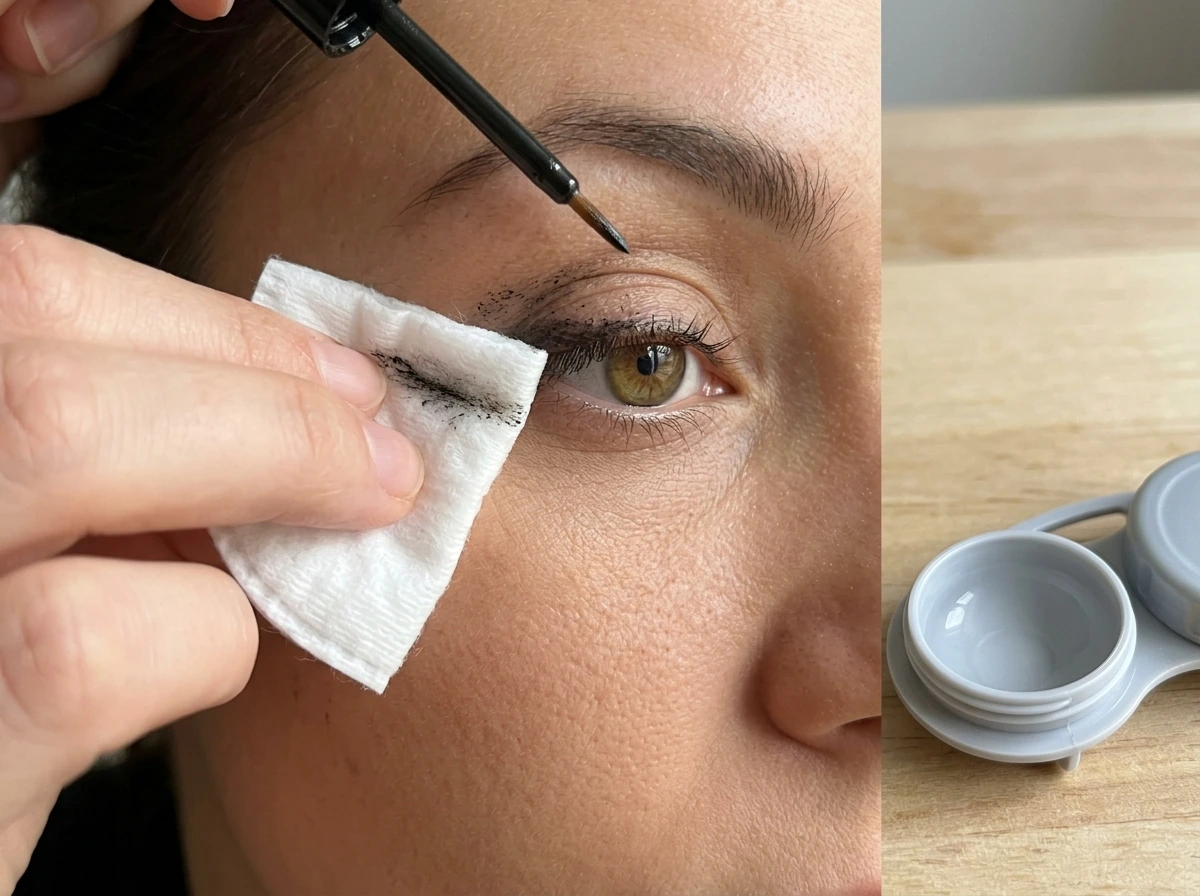
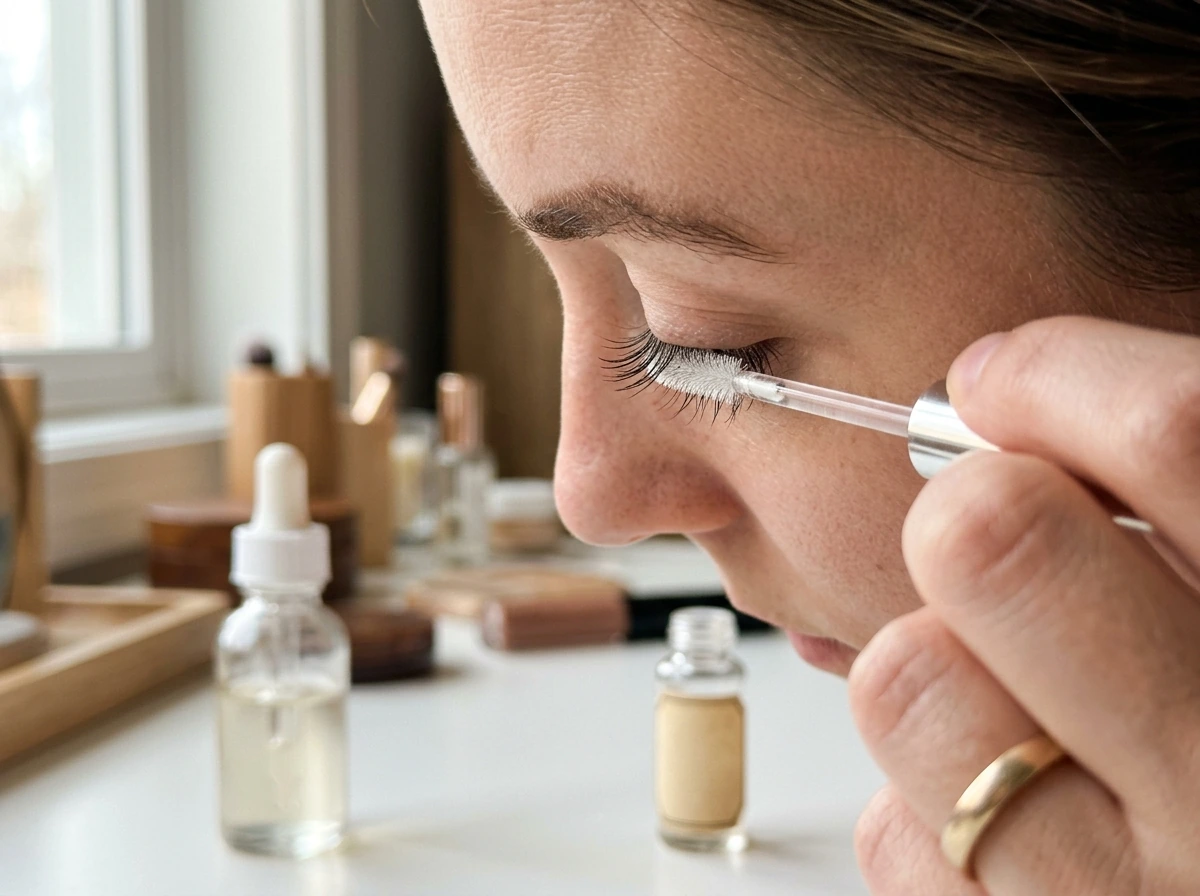
Application method matters more than most people realize. The FDA label for Latisse, for example, explicitly states not to apply to the lower lash line, and only directs application to the upper eyelid margin. Getting product into your eye or applying it to unintended skin areas increases risk without improving results. Here's the correct routine:
- Remove all makeup and contact lenses before applying. Contacts can absorb the product and should stay out for at least 15 minutes after application.
- Wash and dry your hands and face thoroughly.
- Apply the serum to the upper lash line only, using the applicator brush or a clean, fine eyeliner brush. Draw it along the skin at the base of your upper lashes, not the waterline.
- Blot any excess product that migrates below the eye immediately. Unintended skin contact can cause hair growth or pigmentation changes in those areas.
- Apply once daily, ideally at night. Nighttime application reduces the chance of it running into your eyes during the day.
- Let it dry fully before lying down or applying anything else to the eye area.
- Do not skip days during the first 8 to 16 weeks. Consistency is what drives results.
Timing for results: in clinical trials with bimatoprost, measurable lash length improvements showed up at week 4, with full assessments at week 16. For cosmetic prostaglandin-analogue serums, a similar 8 to 16 week window is a reasonable working timeline before drawing conclusions. If you haven't seen any change at 16 weeks of daily, correct application, the product likely isn't working for you and it's time to reassess.
Recovery timelines after lash damage
If you're using a serum to recover lashes after damage from extensions, traction, rubbing, or a medical event, expect a longer runway than someone starting from a healthy baseline. The follicle itself needs to reactivate before a serum can extend the growth phase it produces. After plucking or mechanical damage, basic regrowth monitoring is typically done at 4 to 8 weeks. For traction-related loss (from extensions, for example), recovery timelines can extend to 12 to 18 weeks before you see meaningful improvement, depending on how long the stress was applied and how much follicle disruption occurred.
What recovery looks like in practice: new lashes tend to come in shorter and finer at first, which can be discouraging. That's normal. The first few lashes you see are early-stage anagen hairs. Give them a full growth cycle (4 to 8 weeks) to mature. A serum used during this recovery window may help extend their anagen phase and push length further than the follicle would achieve unassisted, but the growth will still follow the biological timeline, not a faster one.
For chemotherapy-related lash loss, clinical trial data with bimatoprost showed significant improvements at month 4 and month 6, with results maintained or improved through month 12 in some patients. This is the context where prescription-strength treatment makes the most clinical sense and where a conversation with your oncologist or dermatologist is warranted before starting anything.
Common mistakes, side effects, and when to stop
Mistakes that undermine results
- Applying to the lower lash line: this increases the risk of product migrating into the eye and can cause unwanted hair growth on lower lid skin.
- Using too much product: more isn't better. One thin stroke per upper lash line is the correct dose.
- Inconsistent use: skipping days regularly during the induction period slows results significantly.
- Not patch testing: apply a tiny amount to the inside of your wrist or behind your ear for 24 to 48 hours before applying near your eyes.
Side effects to know about before you start
Bimatoprost's most common adverse events in clinical settings include itching/pruritus, conjunctival hyperemia (red eyes), skin hyperpigmentation around the eyelid, ocular irritation, dry eye symptoms, and eyelid erythema. In pooled analysis, conjunctival hyperemia was the only adverse event significantly more common with bimatoprost than vehicle. However, it's worth knowing that some researchers argue early clinical trials may have underreported application discomfort and periorbital changes due to study design choices.
Cosmetic prostaglandin-analogue serums carry comparable risk concerns. French health authority ANSES and ophthalmology organizations including RANZCO have specifically flagged that some cosmetic lash serums containing prostaglandin analogues may cause irreversible iris darkening and chronic eye irritation. ANSES noted a 2025 scientific committee opinion finding that none of the evaluated prostaglandin analogues could be considered safe for cosmetic use. The FDA has also issued warning letters regarding specific cosmetic serums (including products containing isopropyl cloprostenate) alleging potential for ocular irritation, iris color change, ocular inflammation, and interference with intraocular pressure medications.
Iris color change is the most serious concern to understand. Darkening of the iris from prostaglandin use appears to be irreversible in some cases. If you have light-colored eyes and this matters to you, that's a reason to seriously weigh whether a prostaglandin-based serum is the right choice.
When to stop using a lash serum
- If you experience persistent redness, swelling, or eye irritation that doesn't resolve within a few days of starting.
- If you notice any change in iris color.
- If you develop skin darkening around your eyes that concerns you.
- If you're on eye drops for glaucoma or intraocular pressure: prostaglandin analogues can interfere with that therapy and this requires medical clearance first.
- If you've seen zero change in lash appearance after 16 weeks of consistent, correct application.
When to see a professional
See a dermatologist if your lash loss is sudden, patchy, or accompanied by brow thinning, scalp changes, or other symptoms. Those patterns can point to alopecia areata, thyroid dysfunction, or nutritional deficiency, and no serum addresses the root cause in those cases. See an ophthalmologist if you have any eye-related adverse reaction, if you're considering Latisse and have a history of eye conditions, or if you want prescription-level treatment with proper baseline eye health assessment. A serum is a reasonable first step for cosmetic enhancement or post-damage recovery, but it's not a substitute for a medical workup when something systemic is going on.
FAQ
How long should I try the best eyelash serum before deciding it is not working?
Use a consistent application routine for at least 8 weeks for cosmetic prostaglandin-analogue serums, and 16 weeks if you want a confidence check. If there is no visible change by that 16-week mark (with correct dosing and no skipped days), plan to stop and reassess, because continuing longer usually does not overcome incorrect application or the wrong ingredient choice.
If I use a prostaglandin-analogue serum, will I keep my results after I stop?
No. The growth effect is tied to ongoing use, once you stop, lashes gradually revert toward their prior density and length. A practical approach is to “test” for effect first, then decide whether to maintain, because there is no evidence that stopping after short-term use permanently preserves the gains.
Can I use eyelash serums with lash extensions or while my lashes are being lifted?
It is usually best to pause if your goal is regrowth, because extension removal can add traction stress and can make the serum’s timeline harder to judge. If you keep extensions on, focus on minimizing friction and avoid rubbing the lash line, since irritation or micro-damage can blunt the visual results even if the serum is biologically active.
What is the biggest application mistake that prevents results?
Applying it to the lower lash line or spreading it onto unintended skin, especially near the eye surface, increases risk without improving growth. Another common issue is inconsistent nightly use, since the eyelash cycle response depends on sustained exposure rather than sporadic use.
Is patch testing really necessary for lash serums?
For most people, yes, especially for cosmetic prostaglandin-analogue serums. Do a small skin test away from the lash margin first, and stop if you get swelling, burning, or persistent redness. Patch testing is not a guarantee against deeper eye effects, but it can catch early intolerance before you apply daily.
Can eyelash serums make my eyes feel dry or irritated, and what should I do?
Irritation such as burning, redness, or dryness can happen. If symptoms are mild, stop temporarily and restart only if it clearly improves, but if you develop ongoing redness, pain, light sensitivity, or changes in vision, stop and see an ophthalmologist. Do not “push through” persistent eye discomfort.
Will prostaglandin-based serums change my iris color if I have hazel or light eyes?
The risk is higher concern for light-colored irises, because iris darkening has been reported with prostaglandin-class products and may be irreversible in some cases. If maintaining light eye color is important to you, consider choosing a non-prostaglandin option that focuses on conditioning and reduced breakage, even if it provides more modest length changes.
Are peptides, biotin, or conditioning serums good enough if my lashes are thinning?
They can help with appearance and reduce breakage, but they are unlikely to match the lash-lengthening effect of prostaglandin analogues. If your issue is true lash thinning or loss, serums that only condition often do not address the growth-cycle signal needed for major length and thickness changes.
What should I do if my lash loss is sudden or patchy?
Do not treat it as a cosmetic problem only. Sudden or patchy loss, especially with eyebrow thinning, scalp changes, or other systemic symptoms, can signal conditions like alopecia areata or thyroid dysfunction. In those cases, see a dermatologist promptly, since the serum may not fix the underlying cause.
Is it safe to combine multiple lash growth products (for example, two serums or serum plus medicated drops)?
Usually avoid layering prostaglandin-containing products, because you can increase the chance of irritation and make it harder to identify the cause of side effects. If you are using any eye medications or have a glaucoma treatment plan, ask an ophthalmologist first before starting a prostaglandin-based lash serum.
When should I switch from a cosmetic serum to prescription treatment?
Consider discussing prescription bimatoprost with a clinician if you want the strongest evidence-based option, or if cosmetic prostaglandin serums irritate you but you still want meaningful growth. Also switch sooner if you are dealing with medically related lash loss, such as post-chemotherapy, because treatment decisions should align with your oncology or eye care plan.
What should I expect during regrowth after plucking, rubbing, or extension-related traction?
Early new lashes often appear shorter and finer first, that is typical as the follicle re-enters active growth. Plan for a full regrowth window of 4 to 8 weeks at minimum, and up to 12 to 18 weeks in traction-heavy situations, because the serum can extend the growth phase but it cannot override the biological recovery timeline.
Next Article
Do Shih Tzu Eyelashes Grow Back? Timeline and Care
Learn if Shih Tzu lashes regrow, typical timeline, at-home checks for causes, and safe care to support healthy regrowth.