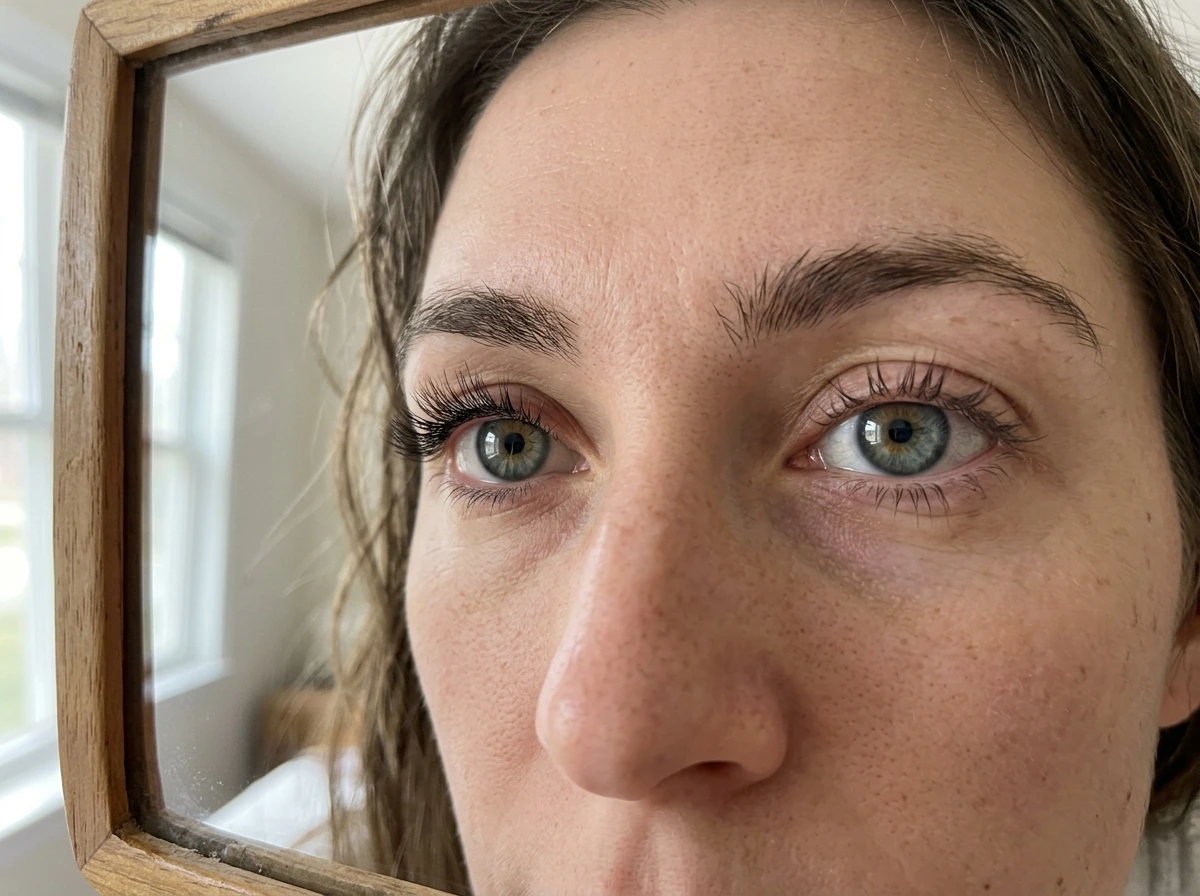
Yes, eyelashes can grow back in the vast majority of cases Whether yours fell out on their own, were pulled, plucked, broken, or lost after extensions, the same answer applies: as long as the hair follicle is intact and not permanently scarred, a new lash will grow. as long as the hair follicle is intact and not permanently scarred, a new lash will grow. The catch is that it takes time, typically six to eight weeks for early regrowth and up to four to five months for a full, even result. The good news is that most lash loss scenarios fall into the temporary category, and there's a lot you can do right now to support recovery. do shih tzu eyelashes grow back
Can Lashes Grow Back? Timeline, Causes, and What to Do

Rachel Nguyen
24 Mar 2026
Yes, lashes grow back: here's the short answer
Pulled out a lash? Plucked one? Lost a clump after extensions were ripped off? In almost all of these situations, the follicle is still alive and will produce a new lash. Follicles don't die just because a hair is removed or breaks off. The one scenario where regrowth is genuinely in question is when the follicle itself has been damaged or destroyed, which typically requires repeated severe trauma, scarring, or certain medical conditions. A single incident of pulling or even a lot of casual plucking over a short period is unlikely to cause that kind of permanent damage.
Bottom lashes regrow too, for the same biological reason. The follicles along your lower lid follow the same growth cycle as upper lashes, just slightly shorter. Men's lashes also regrow on the same timeline. There's no meaningful biological difference in regrowth potential based on gender.
The biology behind lash regrowth (and why it matters)
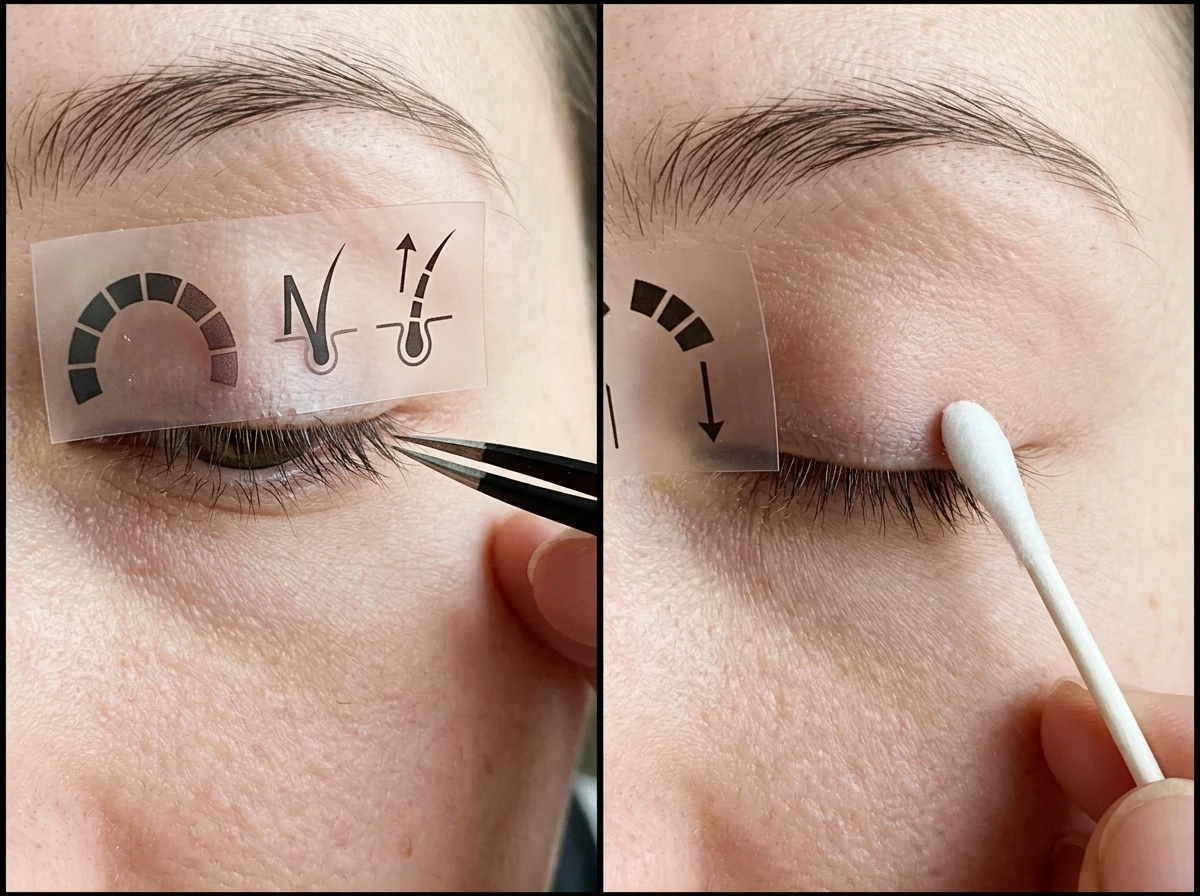
Every eyelash follicle cycles through three phases: anagen (active growth), catagen (transition), and telogen (resting). At the end of telogen, the old lash sheds and the cycle restarts. The anagen phase for eyelashes lasts roughly 30 to 60 days, which is much shorter than the two to six year anagen phase for scalp hair. That shorter growth window is why eyelashes are naturally short rather than growing indefinitely.
When a lash is pulled out during anagen, the follicle gets an abrupt interruption. It needs to rest briefly and then restart the cycle. If the lash falls out during telogen (the end of its natural life), a new one is already queued up in the follicle and growth begins almost immediately. This is why some lashes seem to grow back faster than others. It depends entirely on where in the cycle the follicle was when you lost that lash.
Regrowth is slower when there's ongoing inflammation or irritation at the lash line, because the follicle can't complete its cycle efficiently. Conditions like blepharitis (chronic eyelid inflammation) are one of the most common reasons people notice persistent lash thinning. Treating the underlying inflammation is often the most important step for getting lashes back.
Realistic timelines: what to expect and when
The honest answer is that a single plucked or pulled lash can take anywhere from four to eight weeks to become visible and up to four to five months to reach its full length. Here's a practical breakdown by scenario:
| Cause of Loss | Visible Regrowth | Full Recovery |
|---|---|---|
| One plucked/pulled lash | 4 to 6 weeks | 3 to 4 months |
| Several plucked lashes | 6 to 8 weeks | 4 to 5 months |
| Lashes lost after extension removal | 6 to 10 weeks | 4 to 6 months |
| Natural shedding (normal cycle) | 1 to 4 weeks | 2 to 3 months |
| Chemotherapy-related loss | 4 to 8 weeks post-treatment | 3 to 6 months |
| Blepharitis-related loss | Depends on treating inflammation | Variable |
If you've been wondering whether lashes can grow back in two weeks, the realistic answer is: you might see a tiny stub beginning to emerge, but a full lash at two weeks is not the norm. The anagen phase alone takes a minimum of 30 days. Be patient with the timeline and resist the urge to use mascara or mechanical curlers while regrowing, since those tools can snap new lashes before they get a chance to mature.
After a year of no regrowth, that's a meaningful signal that something more than a slow growth cycle is going on. At that point, you're looking at potential follicle damage or an underlying medical cause, and a dermatologist visit is the right move.
How to support regrowth starting today
You can't force a follicle to speed up dramatically, but you can absolutely create conditions that support healthy regrowth and avoid conditions that slow it down. Here's what to do right now.
The basics: keep it clean and gentle
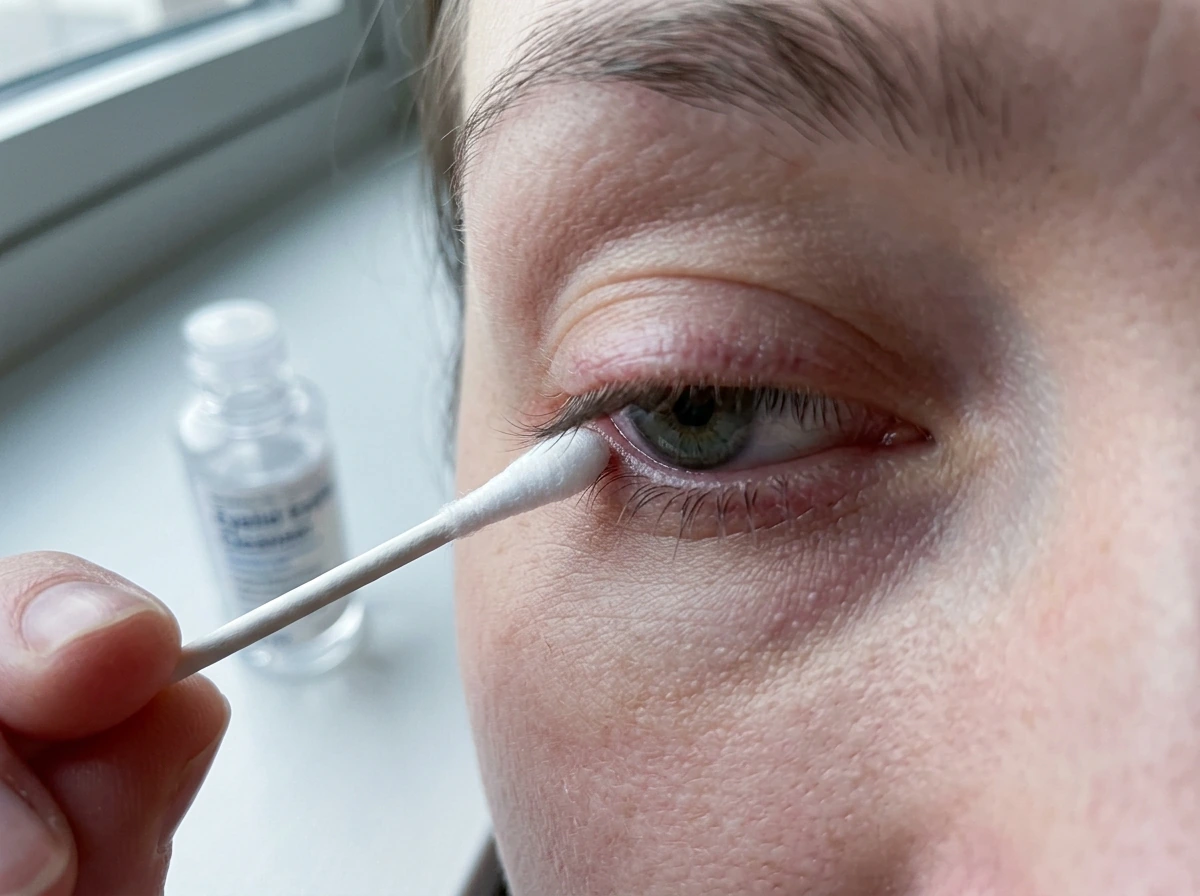
Start by making sure your lash line is clean. Blepharitis (eyelid inflammation from bacteria or oil buildup) is one of the most common and underdiagnosed reasons lashes grow back slowly or thinly. A gentle lid scrub once daily with a diluted baby shampoo or a commercial lid hygiene product is an easy baseline habit. If you notice crusting, flaking, or persistent redness along the lash line, treat that first before expecting strong regrowth.
Castor oil: what it actually does
Castor oil is probably the most popular at-home lash remedy, and the evidence behind it is nuanced. A clinical trial looking at topical castor oil for blepharitis patients found it helped with eyelid margin conditions like lash matting and scaling, suggesting the benefit is largely indirect: healthier eyelid skin creates a better environment for lash follicles. There's no robust direct evidence that castor oil makes follicles grow faster. That said, it's safe, inexpensive, and may help keep the lash line conditioned, which matters when you're trying to retain new growth.
If you want to try it, use a clean mascara wand or a cotton swab to apply a small amount of cold-pressed, hexane-free castor oil along the upper lash line before bed. Keep it away from the eye itself to avoid blurry vision overnight. Lower lashes are trickier to apply to without getting oil in your eyes, so use a light hand.
Lash serums: how to choose one that's worth it
Over-the-counter lash serums vary enormously. A 2025 survey on eyelash and brow serums found that ingredient and function claims in marketed products often outpace the actual evidence. The ingredients with the most plausible biological basis include peptides (which can support keratin production), biotin (a B vitamin involved in keratin synthesis, though direct topical evidence is limited), and prostaglandin analogs.
When evaluating a serum, look for published evidence behind the formula, not just before-and-after photos. Avoid products with long lists of potential irritants, because anything that inflames the lash line will work against you. Apply serums to clean, dry skin at the lash base, not the tips. Consistency over weeks matters more than anything else.
Prescription options: bimatoprost (Latisse)
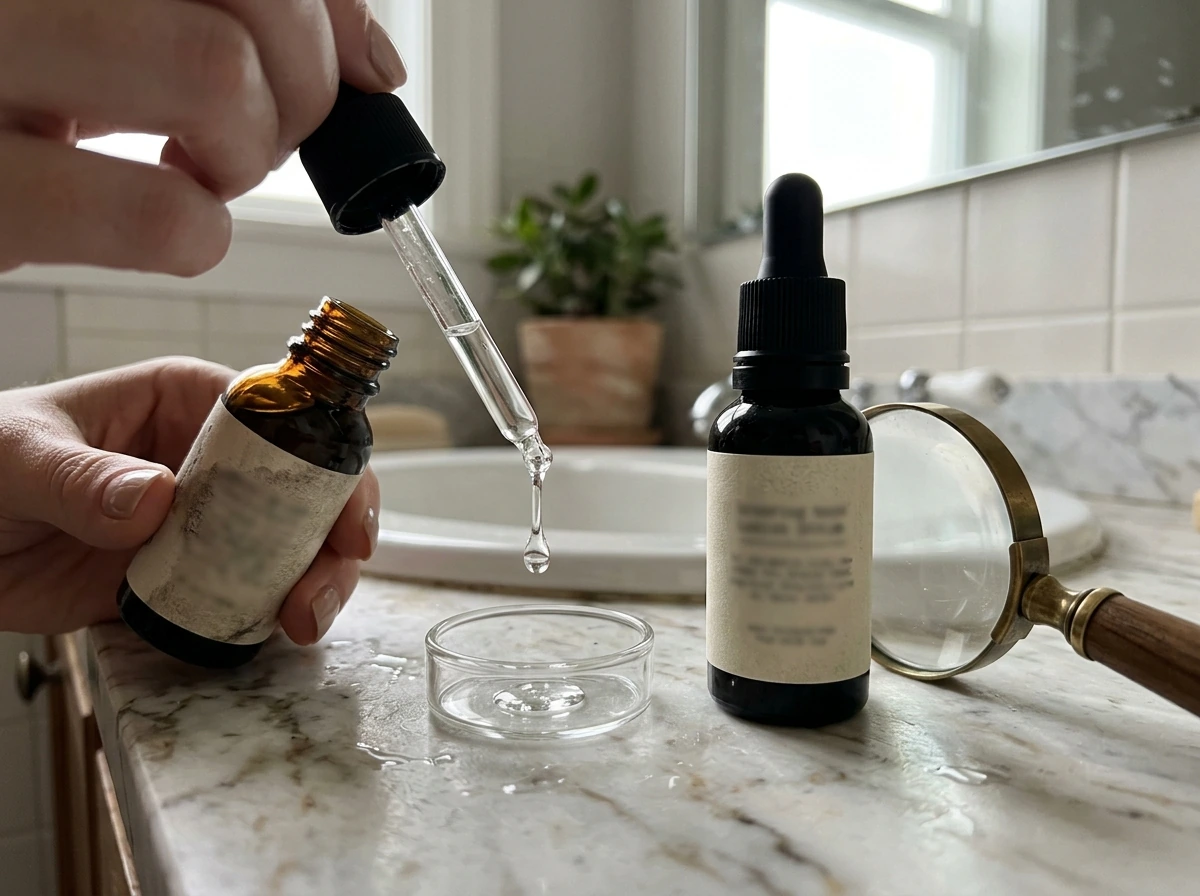
If you want the most clinically supported option, bimatoprost 0.03% (sold as Latisse) is the only FDA-approved treatment for eyelash hypotrichosis. In a multicenter randomized trial, 78.1% of subjects using bimatoprost showed at least one grade of improvement in global eyelash assessment by week 16, versus 18.4% in the control group. It works by extending the anagen (growth) phase and increasing the percentage of follicles in active growth.
The trade-offs are real: common side effects include eye itching, redness, eyelid skin darkening, and in rare cases, a permanent darkening of the iris. If you stop using it, lashes gradually return toward baseline within weeks to months. That reversibility is worth understanding before you commit. It's prescription-only, so you'll need a dermatologist or ophthalmologist visit, which also gives you a chance to rule out any underlying causes of your lash loss.
What to stop doing right now to protect new growth
Growing lashes back takes months. Disrupting that process can easily reset the clock. Here are the most common ways people accidentally slow or reverse their own recovery:
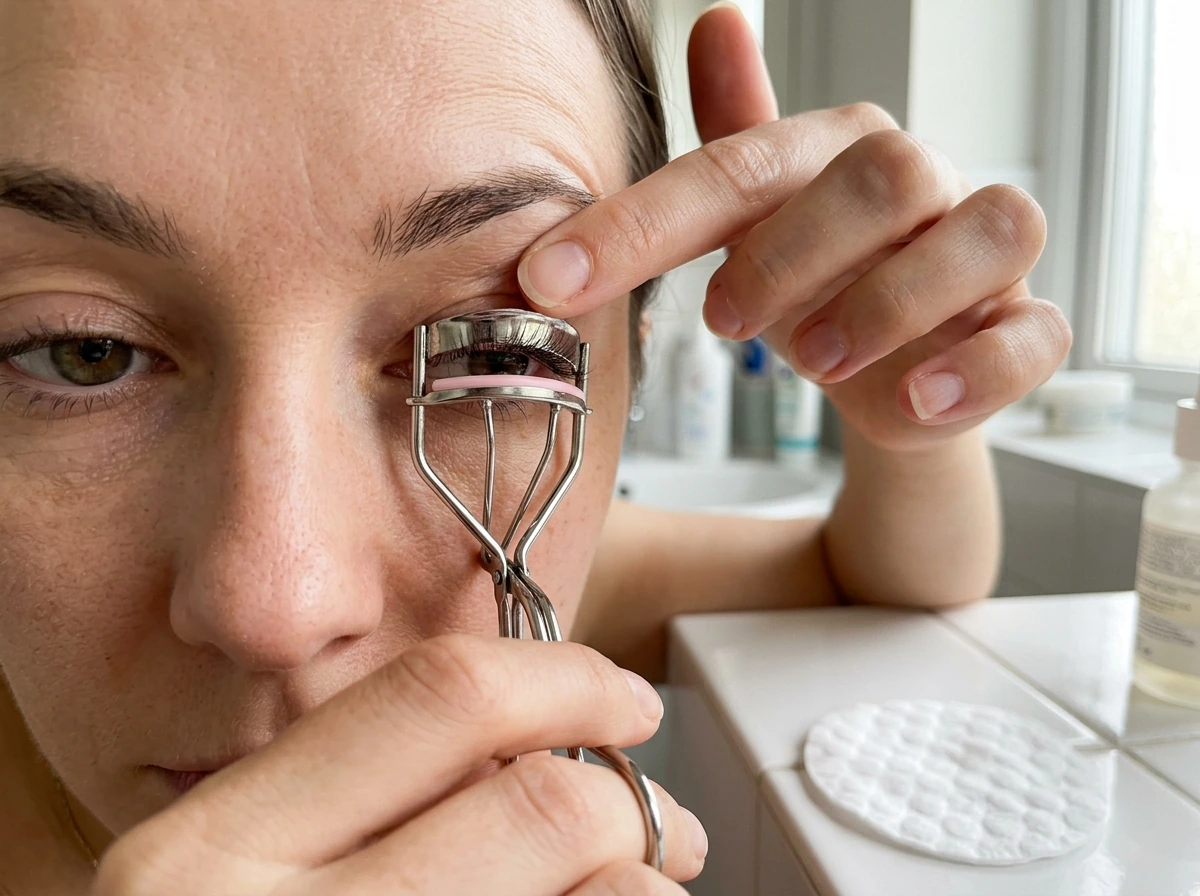
- Mechanical eyelash curlers: these grip the lash and pull when you open them, especially if the rubber pad is old or cracked. If you must curl, do it gently before mascara, never after, and consider heated curlers that require no clamping.
- Rubbing your eyes: habitual eye rubbing puts traction on lashes repeatedly throughout the day, which can snap new growth before it matures. If allergies or dryness are driving the rubbing, treat those first.
- Extensions during recovery: extensions add weight to fragile new lashes and their adhesive (typically cyanoacrylate) can cause contact dermatitis and blepharitis, which undermines follicle health. Give your lashes at least a full growth cycle off before reapplying extensions.
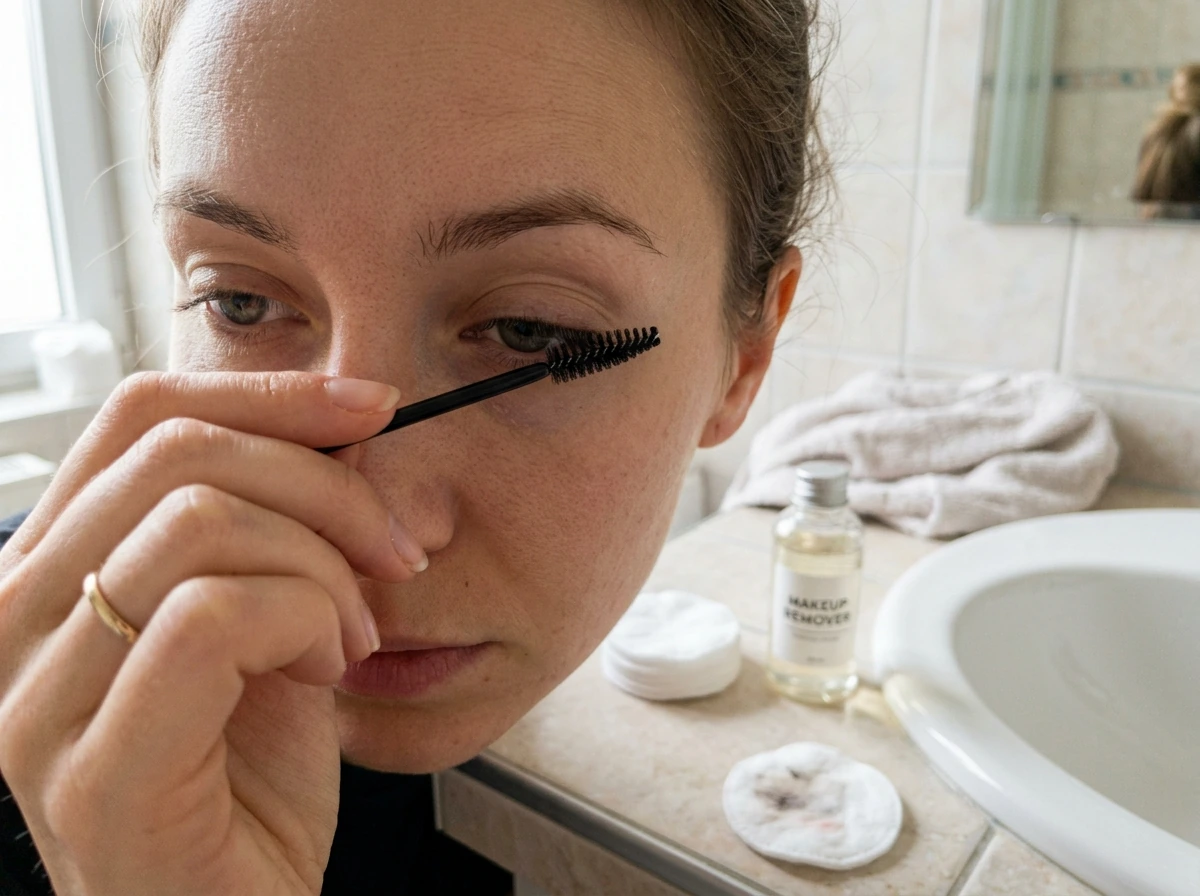
- Harsh makeup removers: aggressive wiping to remove waterproof mascara or liner puts mechanical stress on lashes. Use a dedicated gentle eye makeup remover on a soaked pad and let it dissolve the product before wiping.
- Waterproof mascara daily: it requires harder removal and the stiffening effect can make new lashes brittle and prone to breakage.
- Picking or pulling absent-mindedly: if you notice you pull at lashes when stressed or bored, that habit (which can escalate into trichotillomania, a recognized condition) is the most direct way to prevent regrowth.
When lashes might not grow back: what to watch for
Most lash loss is non-scarring and temporary. But there are real situations where regrowth is genuinely compromised, and knowing the difference saves you from months of waiting on lashes that need medical attention.
Scarring alopecia
When follicles are permanently destroyed by scarring, hair cannot regrow from those follicles. The American Academy of Dermatology notes that scarring alopecias replace follicle tissue with scar tissue, cutting off any future growth. On the eyelid, this can happen after burns, certain infections, autoimmune skin conditions, or repeated severe trauma. If there's visible scarring at the lash line, a dermatologist evaluation is essential.
Eyelash alopecia (madarosis)
Madarosis is the clinical term for eyelash (and sometimes eyebrow) loss. It can be caused by localized eyelid disease like blepharitis or seborrheic dermatitis, systemic conditions (thyroid disorders, lupus, alopecia areata), skin cancers affecting the eyelid, or medications. The key distinction is whether the madarosis is scarring or non-scarring. Non-scarring madarosis is usually reversible once the underlying cause is treated. Scarring forms may not be.
Medication-related loss
Chemotherapy is the most widely known cause, but several other medications including anticoagulants, retinoids, and some thyroid drugs can trigger eyelash shedding by disrupting the normal growth cycle (a process called telogen effluvium). In most cases, lashes recover after the medication course ends or dosage is adjusted, but that should be discussed with the prescribing doctor, not managed independently.
Trichotillomania
Trichotillomania is a compulsive hair-pulling condition that's different from occasional nervous plucking. Repeated avulsion of lashes from the same follicles over months or years can eventually impair those follicles. If pulling is habitual and hard to stop, cognitive behavioral therapy is the evidence-based treatment, not serums or oils. Lashes lost to trichotillomania often regrow in patterns where some hairs are at different stages (broken stubs alongside longer regrown lashes), because different follicles have been pulled at different times.
When to see a dermatologist or doctor
Most single-incident lash loss doesn't need a doctor visit. But there are clear situations where professional evaluation changes the outcome significantly. Here's when to make that appointment:
- No visible regrowth after three to four months following a specific incident of pulling, damage, or extension removal
- Progressive loss with no obvious external cause (no pulling, no extensions, no change in products)
- Visible inflammation, swelling, redness, or crusting at the lash line that doesn't resolve with basic lid hygiene
- Lash loss alongside eyebrow thinning, which points more strongly to a systemic or autoimmune cause
- Any noticeable change in the skin texture of the eyelid itself (thickening, scaling, discoloration)
- A child losing lashes, especially if they deny pulling them or show anxiety around the subject
- Loss that followed a new medication, in which case the prescribing doctor should be informed before you stop or adjust anything on your own
When you see the dermatologist, it helps to come prepared. Note when the loss started, whether it followed any specific event (extensions, illness, new medication, stress period), and whether the loss is in a specific pattern or spread across the entire lash line. Ask directly whether the cause is scarring or non-scarring, what the expected recovery looks like with and without treatment, and whether a referral to an ophthalmologist or endocrinologist makes sense given your full picture.
If prescription bimatoprost is discussed, ask about the iris pigmentation risk specifically and whether your eye color makes you a higher-risk candidate. That's a permanent side effect and deserves a real conversation, not just a quick mention.
The practical bottom line
Eyelashes almost always grow back. The follicle is more resilient than most people assume, and a single incident of pulling, plucking, or breakage is not a life sentence for thin lashes. What matters most is giving the follicle a clean, low-trauma environment to work through its natural cycle, which takes real time measured in months, not days. Keep the lash line clean, avoid mechanical and chemical trauma, consider castor oil or a well-formulated serum if you want to be proactive, and see a dermatologist if regrowth isn't happening by the three to four month mark. That's the straightforward plan for most people reading this today.
FAQ
How long after I lose lashes will I see regrowth?
Lashes can start regrowing within weeks, but a clearly visible full lash usually takes about 4 to 8 weeks at the “stub to normal length” stage and up to 4 to 5 months for an even look. Two weeks is often too soon for a true regrowth result, especially if the lash was lost from the growth phase and the follicle needs to restart its cycle.
Why are my lashes growing back unevenly or only in some spots?
The follicle can be alive and still look “patchy” for a while because not every lash follicle is in the same growth stage at the moment you lost the old lashes. If you notice some lashes already lengthening while others stay short, that pattern usually fits normal cycling rather than permanent loss.
Can lashes grow back after years of plucking or habitual pulling?
Yes, they can, but regrowth depends on how the damage happened. If lashes were pulled repeatedly from the same follicles over time, the pattern may change and regrowth can become slower. If you suspect habitual pulling, addressing the behavior (for example with behavioral therapy) is more impactful than trying oils or serums.
What if my lashes fell out after extensions were removed too aggressively?
If you had an extension “catastrophe,” the fastest sign you can hope for is small stubs, not full lashes. Also, extension aftercare that keeps the lash line clean matters, because inflammation from adhesives or residue can delay the follicle’s next cycle. Switching to gentler removal practices going forward helps prevent resetting the timeline.
Can regrowth still happen if my lash line stays irritated?
Even if lashes do return, you can end up with shorter or thinner-looking lashes if the lash line stays inflamed. Focus on reducing irritation, lid hygiene, and avoiding mechanical trauma (curlers, rubbing, aggressive makeup removal) until the follicles have completed at least one full regrowth cycle.
Should I keep using lash serums while my lashes are growing back?
It depends on the product and your skin, but in general you should stop anything that stings, causes redness, or makes your eyelids itchy. Some lash serums contain ingredients that irritate sensitive eyelid skin, which can slow cycling by prolonging inflammation.
Is castor oil safe, and where should I apply it?
You can, but be selective. If you use castor oil, apply a small amount with a clean applicator just at the lash base and avoid the eye itself, because getting it into the eye can cause burning and tearing that further irritate follicles.
Can I make my lashes grow back faster naturally?
Avoid relying on growth “speed” claims. No at-home routine reliably forces the anagen phase to run dramatically faster, so the best practical strategy is consistency and low-trauma conditions (clean lash line, gentle removal, no pulling) while you wait for the natural months-long cycle.
If lashes do not improve by a few months, what might that mean?
Not necessarily. If loss is new or ongoing, or if it is patchy and spreading, it can signal underlying eyelid disease, medication effects, or systemic issues. If there is no meaningful improvement by the 3 to 4 month mark, a dermatologist evaluation helps determine whether the cause is non-scarring madarosis or scarring damage.
Could blepharitis be the reason my lashes keep thinning?
Yes. Blepharitis or seborrheic dermatitis on the eyelids can affect regrowth even if the lashes were not pulled. If you have recurring flaking, crusting, redness, or itch at the lash line, treating the eyelid inflammation is usually the key step before expecting thicker regrowth.
What side effects should I watch for with bimatoprost, and what happens if I stop?
If you are using prescription bimatoprost, do not change the dose or frequency without a clinician’s guidance. Side effects are dose and exposure related, and stopping usually leads to gradual return toward your baseline over weeks to months, so plans should match your timeline goals.
How do I know if my lash loss might be scarring (and not fully reversible)?
If you have visible scarring, burns, repeated severe trauma, recurrent infections, or the eyelid skin looks permanently altered at the lash line, regrowth can be limited. In those cases, waiting months at home may delay appropriate treatment for the underlying cause.
Next Article
Do Eyelashes Grow Back Thicker? What to Expect and What Works
Learn if lashes regrow thicker, timelines, what affects thickness, and safe at-home steps plus proven OTC options.